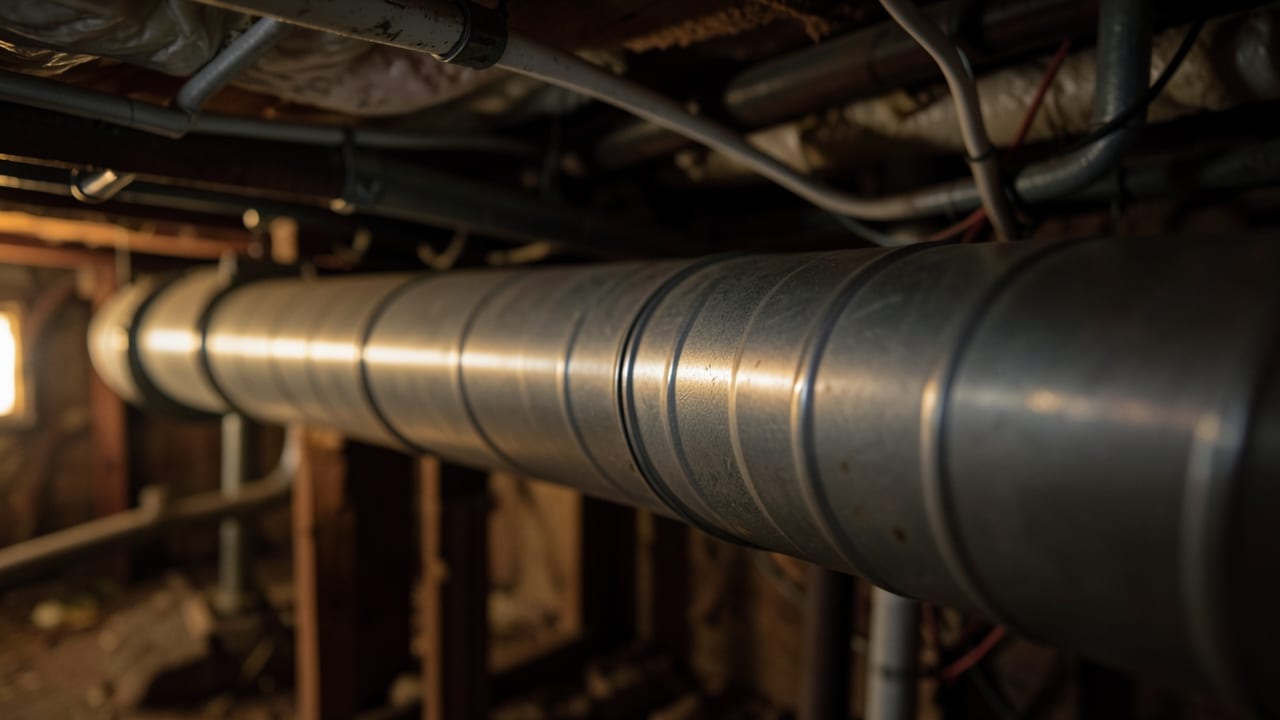
Galvanized Duct Cleaning
Professional cleaning of galvanized air ducts to remove dust, debris, and contaminants from HVAC systems.
Galvanized duct cleaning in Deerfield, IL, targets the metal ductwork in your home’s HVAC system to remove accumulated dust, allergens, and debris that reduce airflow and degrade indoor air quality.
Unlike standard duct cleaning, this process focuses on the unique challenges of galvanized steel—corrosion risks, tightly compacted buildup, and potential biological growth—using specialized tools and negative-pressure extraction to ensure thorough, safe removal.
We also handle Furnace & Vent Cleaning and Attic Duct Cleaning for Deerfield properties.
Why galvanized ducts need special care
Galvanized steel ductwork is prone to rust and corrosion over time, which can exacerbate buildup issues. Dust, pet dander, and biological contaminants like mold or bacteria cling more stubbornly to metal surfaces than to fiberglass or flex ducts, requiring mechanical agitation rather than suction alone.
Without proper cleaning, these contaminants circulate back into your living space, triggering allergies, respiratory irritation, or musty odors that linger even after the system runs.
A key difference with galvanized ducts is the risk of dislodging loose connections during agitation. Flex duct sections or poorly sealed joints can separate under pressure, redirecting conditioned air into walls or attics instead of your home.
This is why a thorough inspection with a camera or mirror is critical before any cleaning begins—it pinpoints weak spots and confirms whether dust is actively being pushed through vents, not just settling naturally.
Signs Your Galvanized Ducts Need Cleaning
- A visible puff of dust when the HVAC system first turns on, especially near supply vents.
- Dust resettling on furniture within days of cleaning, or a fine gray film reappearing on register grilles.
- A musty or stale smell that fades once the system shuts off, indicating trapped moisture or organic growth inside ducts.
- Rooms collecting dust faster than others, suggesting active dust delivery through a specific vent.
- Reduced airflow from vents, even after replacing the air filter.
What affects pricing and timing
Pricing for galvanized duct cleaning in Deerfield varies based on the size of your HVAC system, the extent of buildup, and whether the service includes inspection, agitation, and HEPA extraction for the entire network—including trunk lines, not just visible vents.
Most providers use either a flat system fee (plus a per-vent charge after a base count) or pure per-vent pricing, but only about a third disclose their model upfront.
Without clarity on the method (negative-pressure vs. shop-vac) or whether the HVAC coils or blower are cleaned, quotes can’t be compared accurately.
How often you’ll need this service depends on your household’s dust sources. Changing the air filter every 1–3 months is the single biggest factor—clogged filters force dust into ducts faster. Sealing gaps at register boots or duct joints in unfinished spaces also slows buildup.
Industry guidelines suggest cleaning every 1–5 years, but this ignores real-world variables like pets, construction dust, or humidity levels. A home with heavy shedding pets may need annual cleanings, while a low-dust household might stretch it to five years.
Common pitfalls to avoid
Skipping the register-sealing step during cleaning lets dislodged dust blow back into your home instead of being captured. Similarly, aggressive brushing or air whips can tear loose flex duct connections, sending conditioned air into wall cavities.
Both issues are avoidable with a pre-inspection and proper technique, but they’re why verifying airflow before and after the service is critical—it confirms the work improved circulation, not just moved dust around.
Adding biocides or moisture treatments without ensuring the ductwork is fully dry afterward can create new problems. Excess moisture promotes microbial regrowth, turning a dust issue into a mold or bacteria problem. Always ask if any treatment requires post-cleaning drying or follow-up steps.
| Red Flag | What It Means | Action to Take |
|---|---|---|
| Unusually low quote with no pricing model disclosed | May indicate a shop-vac-only clean or hidden exclusions | Request a detailed breakdown before hiring |
| No before-and-after camera inspection offered | No way to verify debris removal or duct condition post-service | Demand visual confirmation of results |
| Pressure to add UV-light or sanitizing treatments on the spot | Bundled add-ons can obscure the actual cleaning cost | Ask for an itemized quote upfront |
How galvanized duct cleaning works
A professional service follows a structured process to safely remove built-up contaminants from your metal ductwork.
- 1System Inspection
A camera or mirror inspection identifies concentrated buildup, biological growth, or loose connections in supply and return ducts. This step ensures the crew knows which sections need agitation and which are already clear, preventing unnecessary disruption.
- 2Register Sealing and Negative-Pressure Setup
All registers and vents not being worked on are sealed off, and a HEPA-filtered collection unit is connected to the system. This pulls dislodged dust into the unit instead of blowing it back into your home through open vents.
- 3Mechanical Agitation
Rotary brushes or compressed-air whips are used to knock compacted dust off duct walls. Galvanized steel requires this step—suction alone can’t remove dust that’s been baked onto the metal over years.
- 4HEPA Extraction and Register Cleaning
Dislodged debris is vacuumed into a HEPA-filtered system, while each register, grille, and diffuser is removed and cleaned separately to address surface-level buildup like pet hair or surface dust.
- 5Airflow Verification
After reassembling the system, airflow is checked at multiple vents to confirm improved circulation. If airflow hasn’t increased, the cleaning may have simply redistributed dust rather than removing it.
Frequently asked questions
How do I know if my galvanized ducts need cleaning, or if the issue is something else?
Look for dust puffing from vents when the system starts, a musty smell that fades when the system turns off, or dust resettling unusually fast in certain rooms. These signs point to duct buildup. If your furnace or AC is older than 15 years, corrosion in the ducts could also be contributing—an inspection will confirm whether cleaning or repairs are needed.
Will cleaning my galvanized ducts help with allergies or asthma symptoms?
Yes, if allergens or biological contaminants are trapped in the ducts. A proper cleaning removes dust, pet dander, and mold spores that circulate into your living space, which can trigger allergies or respiratory irritation. However, if your symptoms persist, check for other sources like humidity levels, household pests, or outdoor pollutants entering through gaps in ductwork.
How long does the cleaning process take, and will I need to be home?
A whole-home galvanized duct cleaning typically takes 2–4 hours, depending on the system size and buildup. You won’t need to be home during the service, but ensure pets and children stay away from the HVAC area during the process to avoid inhaling dislodged dust.
Can I clean my galvanized ducts myself, or should I hire a professional?
DIY methods like vacuuming vents or using a shop-vac only remove surface dust and miss deep buildup in trunk lines or compacted debris in metal ducts. Professionals use negative-pressure HEPA systems with agitation tools designed for galvanized steel, ensuring thorough removal without damaging connections or spreading contaminants.
Where Deerfield sits, and what the Census lists nearby
Deerfield sits in Illinois, and the closest places listed in the U.S. Census Gazetteer are Bannockburn (2 miles northwest), Riverwoods (2.2 miles west), Highland Park (2.4 miles northeast), Northbrook (2.7 miles south). Within 25 miles of Deerfield the same source lists 143 distinct incorporated places and census-designated places.
Those figures matter for galvanized duct cleaning because they are straight-line distances between Census coordinate points: road mileage between Deerfield and Bannockburn runs longer than the 2 miles shown, which is why quotes for the same job differ between towns that look close together on a map.
Source: U.S. Census Bureau Gazetteer.
See Indian Creek, IL for more, or see what we cover for Deerfield properties by category for our complete lineup.
Ready to get started?
Talk to a local air duct cleaning pro in Deerfield — get a written quote.
Other Air Duct Cleaning Services in Deerfield
Furnace & Vent Cleaning in Deerfield, IL
Furnace and vent cleaning in Deerfield, IL clears the burner compartment, blower, and venting of dust and combustion byproducts.
Learn More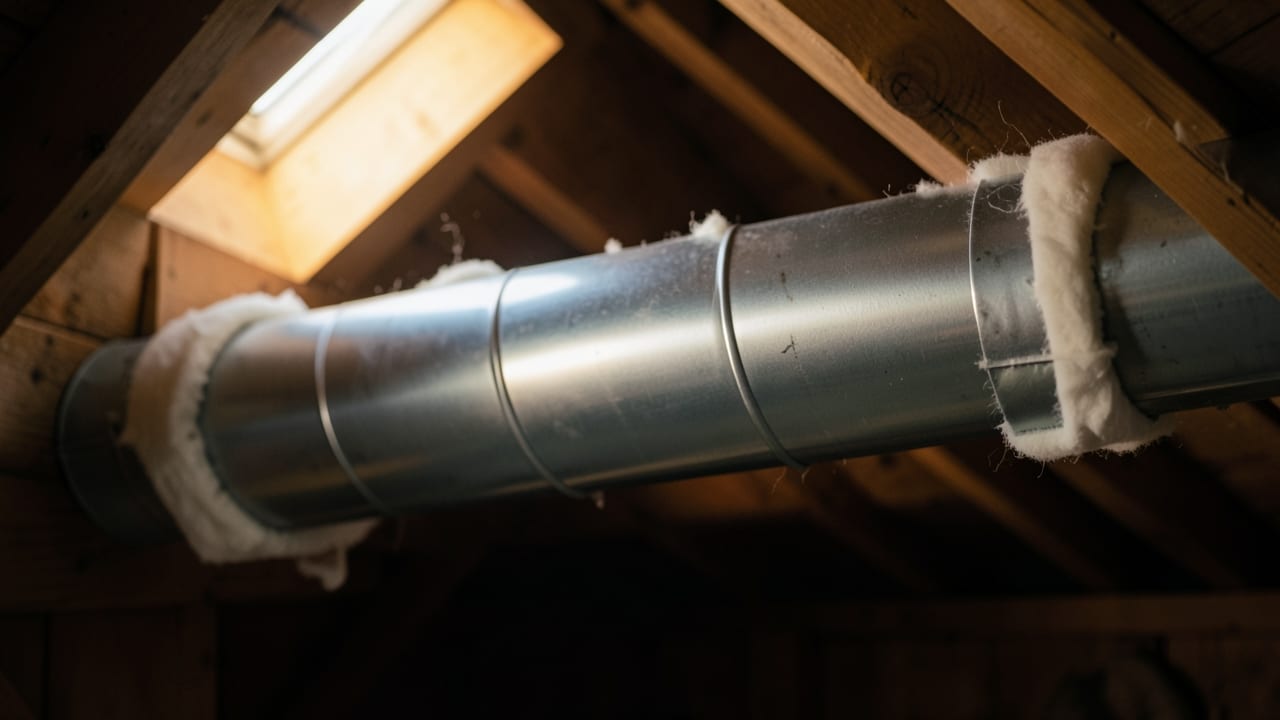
Attic Duct Cleaning in Deerfield, IL
Professional cleaning of attic ductwork to remove dust, debris, and contaminants for better airflow.
Learn More
Garage Duct Cleaning in Deerfield, IL
Professional cleaning of garage air ducts and HVAC components to improve airflow and indoor air quality.
Learn More
Return Vent Cleaning in Deerfield, IL
Professional cleaning of return vents to improve HVAC airflow and indoor air quality.
Learn More
Metal Duct Cleaning in Deerfield, IL
Professional cleaning of metal ductwork to remove dust, debris, and contaminants from HVAC systems.
Learn More
Fiberglass Duct Cleaning in Deerfield, IL
Professional cleaning of fiberglass ductwork to remove dust, debris, and contaminants from HVAC systems.
Learn MoreCommon Questions About Air Duct Cleaning in Deerfield
Everything you need to know about air duct cleaning services in Deerfield
How much does Galvanized Duct Cleaning typically cost in Deerfield, IL?
What local factors get checked before recommending duct cleaning in Deerfield, IL?
Does duct cleaning include the coils and blower compartment, or only the ducts themselves?
What's the real difference between flat-rate and per-vent air duct pricing?
How often should air ducts actually be cleaned?
What does an air duct cleaning appointment actually involve, step by step?
Need Air Duct Cleaning in Deerfield?
Get a written quote from our Deerfield crew.
⏰ We answer your call • Serving all of Deerfield and surrounding areas