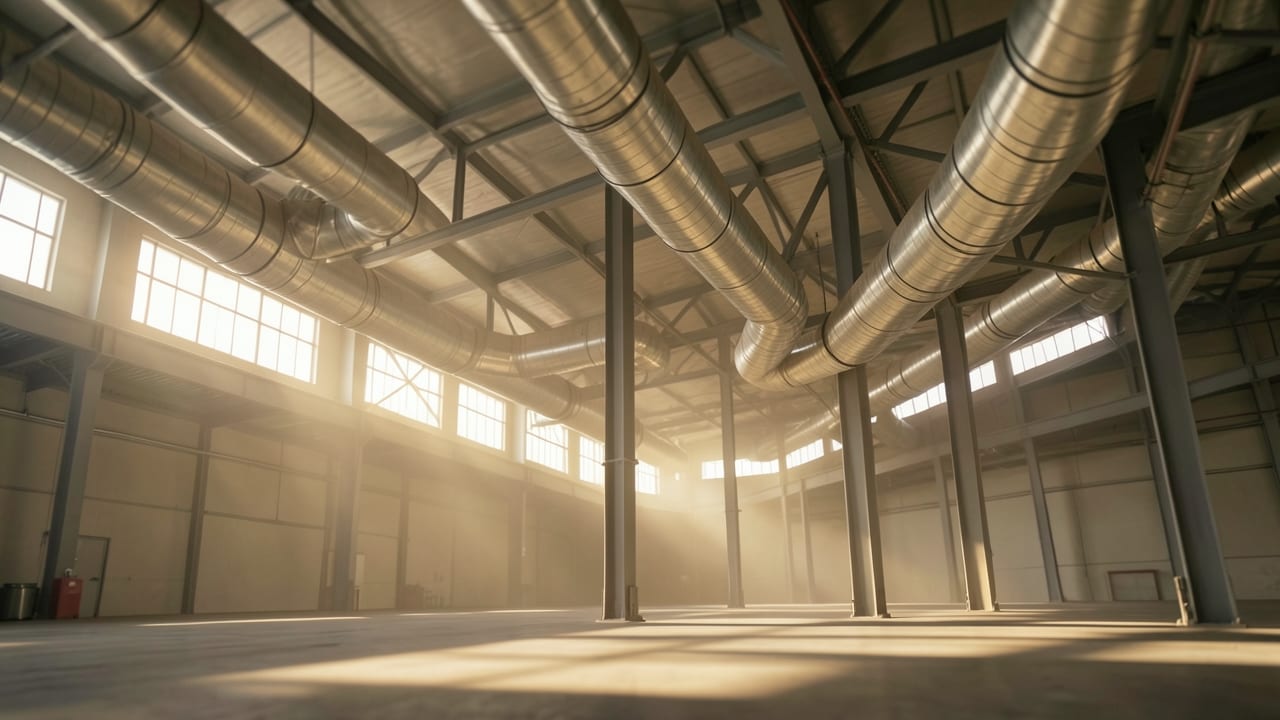
Algae Biofilm Duct Cleaning
Removal of algae and biofilm buildup from HVAC ductwork to improve airflow and air quality.
In Deerfield, IL, algae biofilm duct cleaning targets harmful organic growth inside HVAC systems that degrades indoor air quality and restricts airflow. Using specialized tools and HEPA filtration, this service removes slimy deposits, sanitizes ducts, and ensures your home’s air remains clean and your system operates efficiently.
Ideal for homes with persistent dust or musty odors, it’s a targeted solution for maintaining healthy air circulation.
We also handle Ductwork Replacement and Air Handler Cleaning for Deerfield properties.
Why algae biofilm builds up in Deerfield ducts
Algae biofilm thrives in damp, poorly ventilated ductwork, common in Deerfield’s humid climate and older homes with unsealed joints or moisture leaks. Unlike dust, which settles over time, biofilm grows actively, creating a slimy layer that traps allergens, bacteria, and mold spores.
This buildup forces your HVAC system to work harder, raising energy costs while pushing contaminated air into your living spaces.
The problem often starts small—musty smells when the system runs, dust puffing from vents, or gray film on register grilles—but without removal, biofilm spreads deeper into the ducts.
Regular filter changes and sealing gaps help, but once established, professional cleaning is the only way to fully eliminate it and restore airflow.
Signs You Need Algae Biofilm Duct Cleaning
- A musty or stale odor that appears *only* when the HVAC system is running, then fades when it’s off.
- Dust or debris visibly blowing from vents shortly after turning on the system, especially near supply registers.
- A fine gray film or sticky residue accumulating on vent grilles within days of cleaning them.
- Rooms near supply vents collecting dust *faster* than other areas, suggesting active delivery from the ducts.
- Increased allergy symptoms (sneezing, congestion) or respiratory irritation when the system is on.
What affects pricing and timing?
Pricing for algae biofilm duct cleaning in Deerfield depends on the size of your HVAC system, the extent of biofilm growth, and the method used. Unlike dust, biofilm often requires mechanical agitation and HEPA extraction, which takes longer than a basic vacuuming.
The cost also varies based on whether the crew includes coil and blower cleaning or only the ductwork itself.
How often you need this service depends on your home’s conditions. Homes with pets, high humidity, or unsealed duct joints may require cleaning every 2–3 years, while others with good maintenance might go 5 years.
The key is preventing moisture buildup—regular filter changes and sealing visible gaps do more to delay biofilm growth than any single cleaning.
Common pitfalls to avoid
Skipping the register sealing step during cleaning lets dislodged biofilm and dust blow back into your home, undoing the work. Some providers rush this step or use low-powered vacuums that fail to capture fine particulate, leaving your air quality unchanged.
Always confirm the crew uses negative-pressure HEPA filtration and seals off unused vents before agitation begins.
Overlooking the HVAC coils and blower can leave hidden biofilm behind, allowing regrowth. A thorough cleaning includes these components, as they’re direct pathways for contaminated air.
Ask upfront whether the quote covers the entire system or just visible duct openings—some estimates exclude critical areas, leaving your home vulnerable to recurring issues.
Avoid quotes that: • Don’t specify whether the price is flat-rate, per-vent, or per-register. • Promise ‘mold-free’ results without a before/after inspection. • Bundle add-ons (like UV treatments) without itemized pricing. • Exclude coil/blower cleaning or dryer vents from the scope.
How algae biofilm duct cleaning works
- 1System Inspection
A camera or mirror inspection identifies biofilm hotspots—slimy black/green deposits or clogged sections—in supply and return ducts. This step ensures the crew targets only affected areas, avoiding unnecessary agitation in clean sections.
- 2Register Sealing & Negative Pressure Setup
All unused registers are sealed, and a HEPA-filtered vacuum is connected to the system. This creates suction to pull dislodged biofilm into the collection unit instead of recirculating it into your home during cleaning.
- 3Mechanical Agitation
Rotary brushes or compressed-air whips loosen compacted biofilm from duct walls. Unlike suction alone, this step breaks up stubborn growth, ensuring it’s captured by the HEPA system rather than left behind.
- 4HEPA Extraction & Sanitization
The vacuum pulls all debris into a sealed container, while registers, grilles, and diffusers are cleaned separately to remove surface buildup. The system is then reassembled, and airflow is verified to confirm improved circulation.
- 5Post-Cleaning Verification
A final camera check confirms biofilm removal, and airflow at key registers is tested against pre-cleaning levels. This ensures the work restored—not just redistributed—your duct system’s efficiency.
Frequently asked questions
My vents have a musty smell even after changing the air filter. Could it be algae biofilm?
Yes. Musty odors that appear *only* when the HVAC runs and fade when it’s off are a classic sign of biofilm or mold growth inside the ducts. Filters only catch airborne particles, not what’s stuck to duct walls. A camera inspection can confirm if biofilm is present before cleaning.
Will cleaning my ducts fix my allergies?
It may help if allergens like dust or mold spores are trapped in biofilm. However, allergies are often triggered by outdoor pollutants, pets, or household dust—none of which duct cleaning fully addresses. Pair this service with regular filter changes and sealing duct gaps for the best results.
How do I know if my ducts need cleaning more often than every 5 years?
Homes with pets, high humidity, or visible duct leaks (like disconnected flex sections) often need cleaning every 2–3 years. Watch for dust puffing from vents, rapid dust buildup near supply registers, or a musty smell when the system runs—these are clear signs biofilm is active.
Does cleaning include treating for mold or pests found in the ducts?
Standard cleaning removes biofilm and debris, but mold or pest infestations may require additional steps, like antimicrobial treatments or pest control. Always ask upfront if the quote covers these extras—some providers charge separately for remediation.
Where Deerfield sits, and what the Census lists nearby
Deerfield sits in Illinois, and the closest places listed in the U.S. Census Gazetteer are Bannockburn (2 miles northwest), Riverwoods (2.2 miles west), Highland Park (2.4 miles northeast), Northbrook (2.7 miles south). Within 25 miles of Deerfield the same source lists 143 distinct incorporated places and census-designated places.
Those figures matter for algae biofilm duct cleaning because they are straight-line distances between Census coordinate points: road mileage between Deerfield and Bannockburn runs longer than the 2 miles shown, which is why quotes for the same job differ between towns that look close together on a map.
Source: U.S. Census Bureau Gazetteer.
See Lake Forest, IL for more, or discover the air duct cleaning work we do around Deerfield on a single page for our complete lineup.
Ready to get started?
Talk to a local air duct cleaning pro in Deerfield — get a written quote.
Other Air Duct Cleaning Services in Deerfield
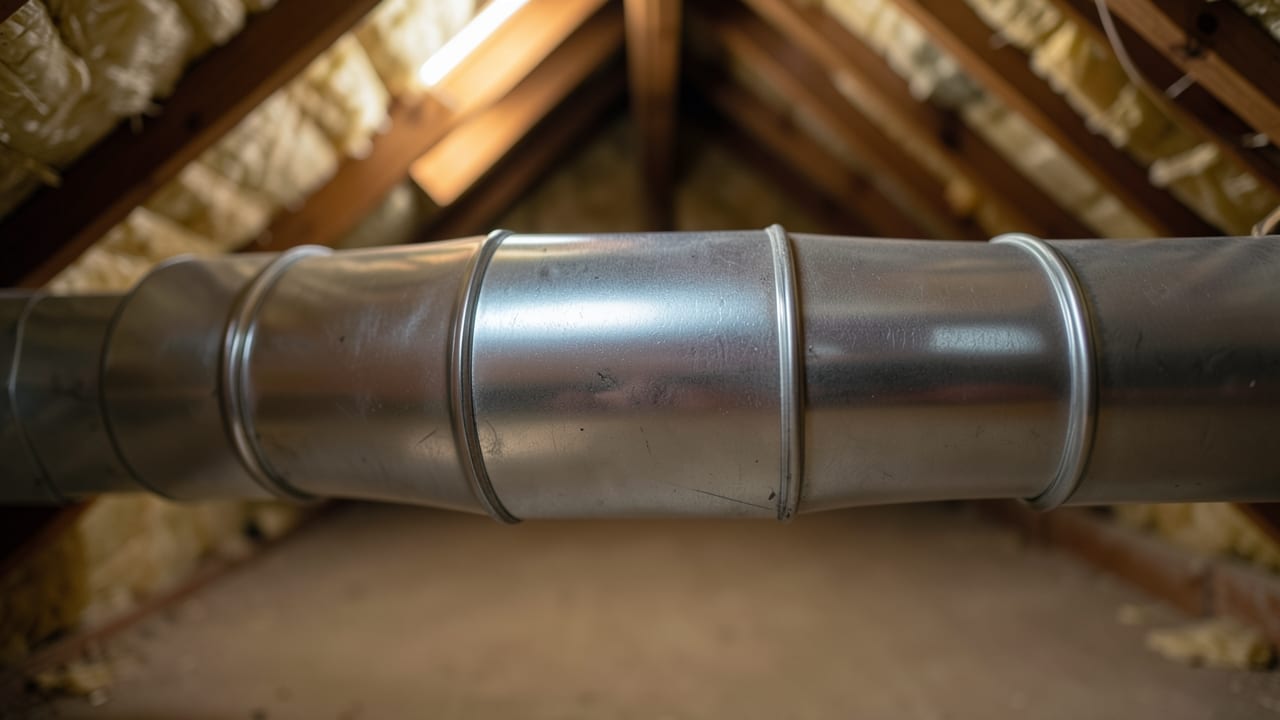
Ductwork Replacement in Deerfield, IL
Replacing old or damaged air ducts to improve HVAC efficiency and indoor air quality.
Learn More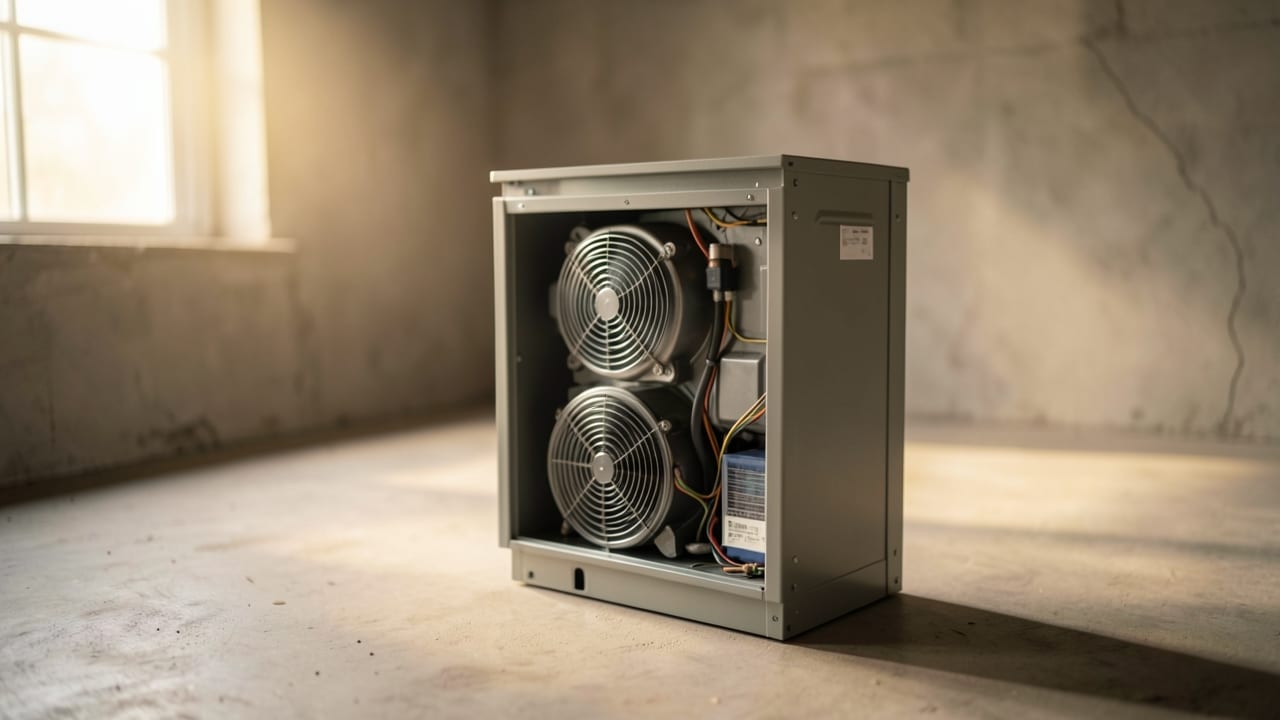
Air Handler Cleaning in Deerfield, IL
Professional cleaning of air handler units to improve HVAC efficiency and indoor air quality.
Learn More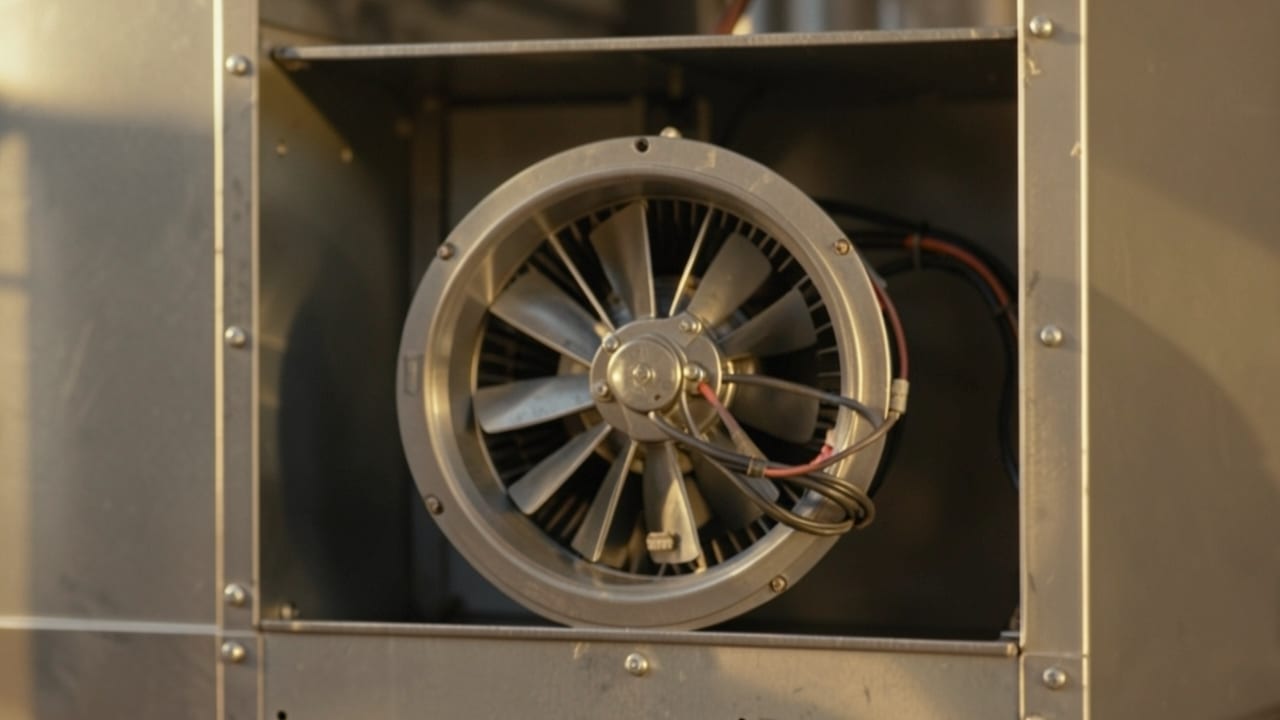
Blower Motor Cleaning in Deerfield, IL
Professional cleaning of the blower motor in HVAC systems to improve airflow and efficiency.
Learn More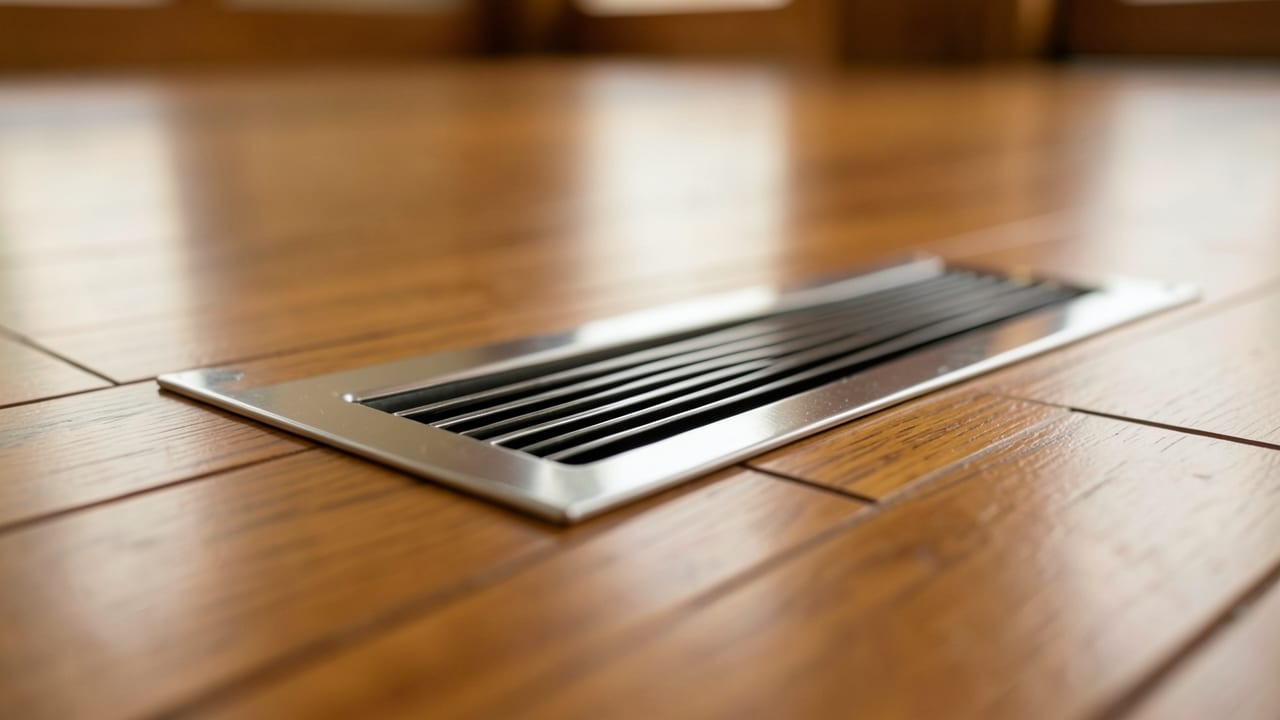
Register Cleaning in Deerfield, IL
Professional cleaning of air ducts and HVAC system components to improve airflow and indoor air quality.
Learn More
Vinyl Duct Cleaning in Deerfield, IL
Professional cleaning of vinyl air ducts to remove dust, debris, and contaminants from HVAC systems.
Learn More
Aluminum Duct Cleaning in Deerfield, IL
Professional cleaning of aluminum ductwork to remove dust, debris, and contaminants from HVAC systems.
Learn MoreCommon Questions About Air Duct Cleaning in Deerfield
Everything you need to know about air duct cleaning services in Deerfield
How much does Algae Biofilm Duct Cleaning typically cost in Deerfield, IL?
What local factors get checked before recommending duct cleaning in Deerfield, IL?
Can air ducts be cleaned with a household vacuum instead of hiring it out?
Is duct cleaning ever covered by a home warranty or insurance policy?
What's the actual difference between duct cleaning and dryer vent cleaning?
Does the cleaning process release dust into the rest of the home?
Need Air Duct Cleaning in Deerfield?
Get a written quote from our Deerfield crew.
⏰ We answer your call • Serving all of Deerfield and surrounding areas